Chores for 8–10 Year Olds: Daily, Weekly & Kitchen
What are the age appropriate chores for 8 10 year olds?
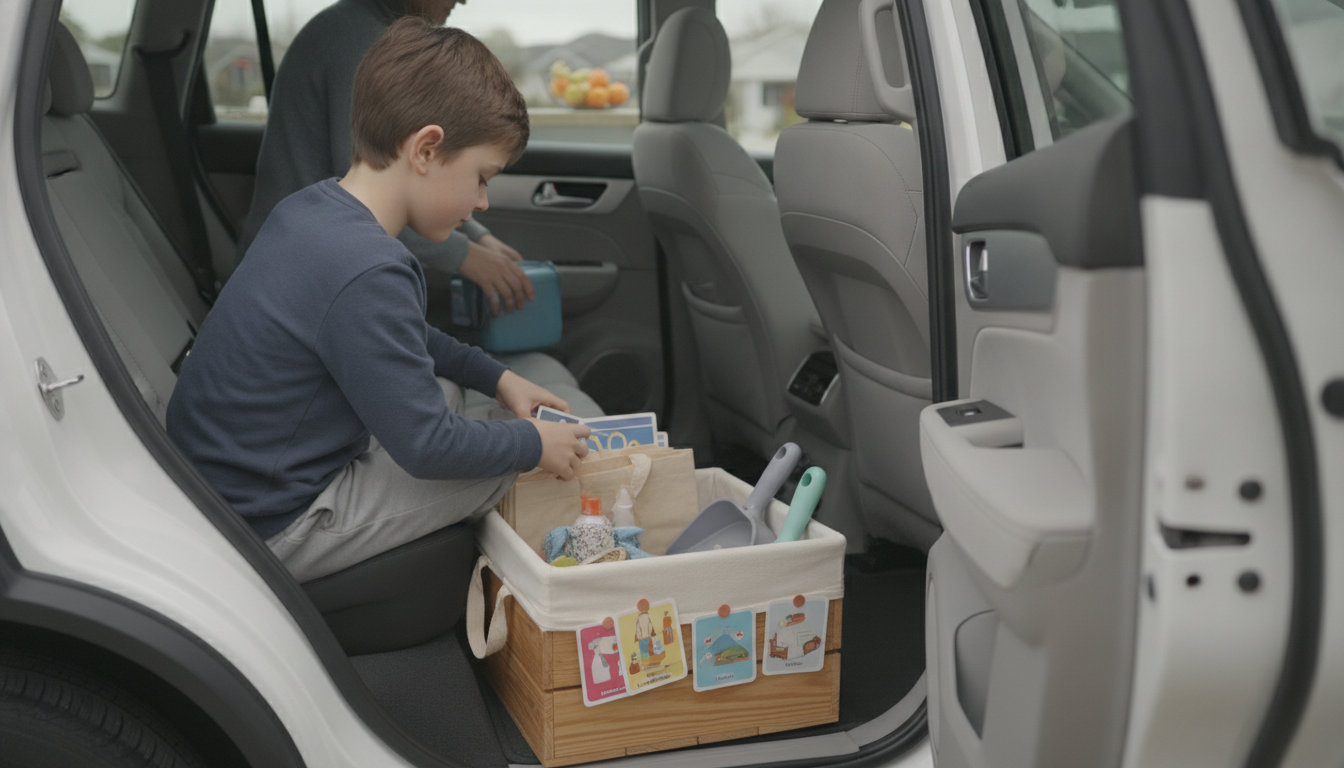
Kids ages 8–10 can handle chores that build independence without requiring constant supervision. The best choices are tasks with clear steps, a predictable routine, and safe tools. At this age, many children can manage daily responsibilities, contribute to family routines, and practice caring for shared spaces.
For a deeper, age-by-age breakdown and more ideas, visit the main guide on age-appropriate chores.
Daily chores that fit ages 8–10
Daily tasks work best when they’re short and repeatable. Good options include making the bed, putting dirty clothes in the hamper, setting or clearing the table, packing a lunch with help, feeding pets (with measured portions), and doing a quick room reset (books on shelves, toys in bins, trash in the can).
Weekly chores that build real skills
Weekly chores can be a little bigger and teach planning. Many 8–10 year olds can sort laundry by color, fold towels, match socks, vacuum a small area, dust baseboards or furniture, help change bed sheets, wipe bathroom sinks, and take out light trash or recycling. Yard tasks like pulling small weeds, watering plants, or sweeping the porch are also age-appropriate.
Kitchen and food-prep responsibilities
With basic safety rules, kids this age can rinse produce, stir ingredients, measure dry items, make simple snacks, unload the dishwasher (avoiding sharp knives), wipe counters, and sweep after meals. Keep tasks consistent so they learn a reliable “kitchen close-down” routine.
Safety and success tips
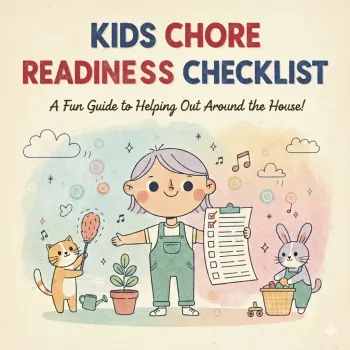
Choose chores that match attention span and strength, and demonstrate the task once before expecting independence. Use checklists for multi-step chores, keep cleaning products locked up, and reserve sharp tools, heavy lifting, and hot appliances for supervised practice. Praise effort and follow-through, not perfection.
FAQ
Should 8–10 year olds get paid for chores?
Many families separate “family contribution” chores from optional paid jobs. A simple approach is required chores for responsibility, plus a short list of extra tasks kids can choose to earn money.










Leave a comment