Traveling with a Toddler and Newborn: Stress-Free Tips
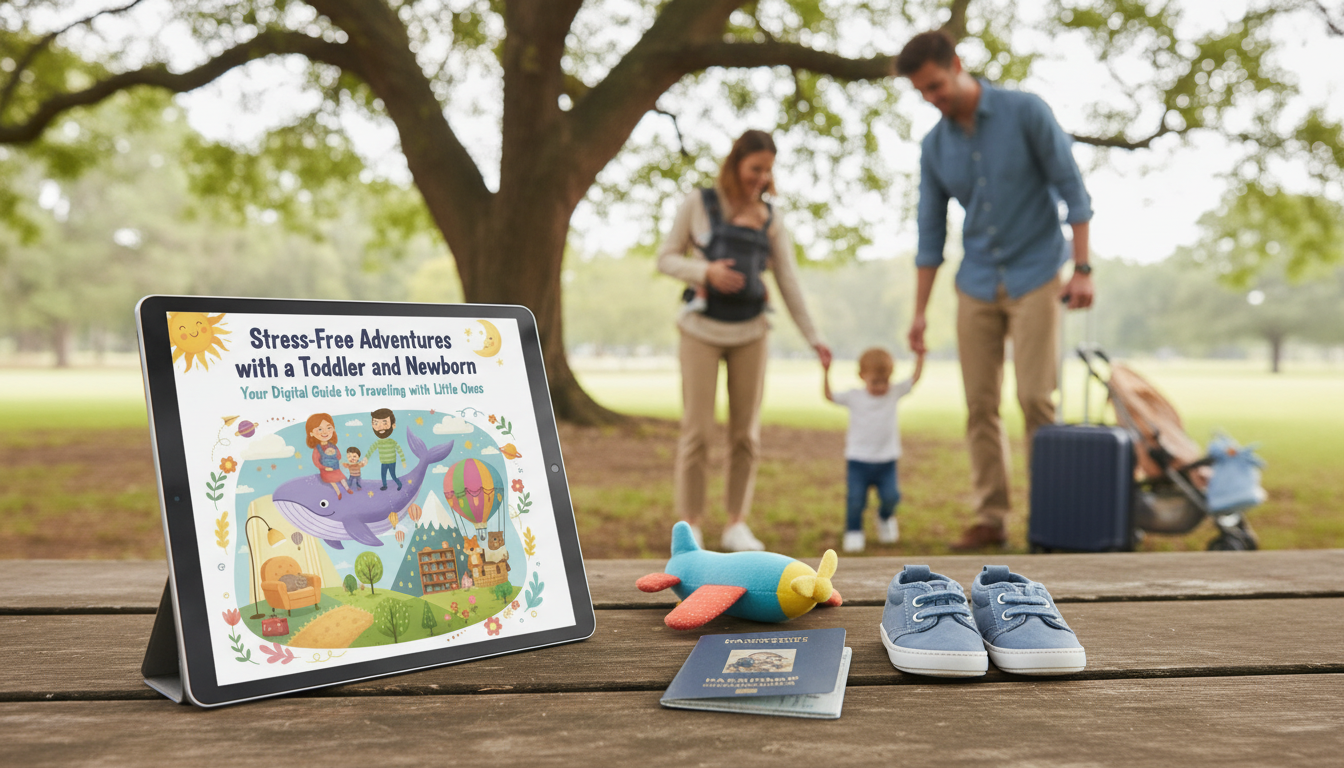
Stress-Free Adventures with a Toddler and Newborn
Traveling with a toddler and a newborn can feel like juggling naps, snacks, feeding schedules, and big emotions—often in unfamiliar places. A calmer trip comes from setting realistic expectations, building flexible routines, and using simple checklists that reduce last-minute decisions. The goal isn’t a “perfect” travel day; it’s a trip where everyone stays safe, fed, and mostly regulated—even when plans shift.
Start with a trip plan that protects sleep and sanity
The easiest way to reduce stress is to plan around the most predictable needs: sleep, feeds, and transitions.
- Choose travel days and arrival times that align with the toddler’s best mood window. For many families, that means morning departures and early arrivals.
- Limit “must-do” activities to one anchor plan per day, then add buffer time for feeds, diaper changes, and quick reset breaks.
- Pick accommodations with easy nap conditions: a quiet corner for a travel crib, some way to darken the room, and a separate spot for toddler downtime.
- Build a simple daily rhythm: feed, change, move/play, rest—then repeat. Predictability helps even when the location changes.
- Keep your itinerary simple: reservations, addresses, confirmation numbers, and emergency contacts in one shared note or printed page.
The “two-bag system” that prevents overpacking
Overpacking usually happens when essentials are scattered across multiple bags. A two-bag approach keeps travel-day items reachable and everything else out of the way.
- Pack one bag for “in-transit survival” and one bag for “arrival living.” You’ll stay prepared without unpacking everything mid-route.
- In-transit survival: diapers/wipes, a change of clothes for everyone, toddler snacks, feeding supplies, comfort items, and a mini clean-up kit.
- Arrival living: extra outfits, sleep gear, toiletries, laundry bag, and backup supplies that can stay put once you check in.
- Use packing cubes by person (toddler/newborn/adult) so outfit changes take seconds instead of a full suitcase search.
- Keep one small pouch always packed: infant meds, thermometer, nail clippers, nasal suction, and a basic first-aid kit.
Pack lists that actually work (carry-on, car, and hotel)
A reliable rule: keep “one full cycle” within arm’s reach—one feed, one complete diaper change, one outfit swap, and one calm-down activity. That single mindset prevents most spirals caused by delays and surprise messes.
- Pack toddler snacks in small portions; include one novelty snack to redirect during tough moments.
- Bring compact, mess-minimizing entertainment for the toddler that works in a seat, stroller, or lobby.
- Plan for spill-and-accident recovery: wet bag, zip bags, disposable bibs, stain wipe, and a spare shirt for the adult holding the baby.
- Keep documents, tickets, and a printed backup of key info in one envelope or slim folder.
Quick checklist by location
| Where it goes | Must-have items | Why it matters |
|---|---|---|
| Carry-on / day bag | Diapers, wipes, 2 outfits (baby), 1 outfit (toddler), snacks, pacifier/comfort item, burp cloths, small toy/book | Handles delays and messes without panic |
| Car seat area | Extra diapers, wipes, changing pad, trash bags, muslin blanket, spare shirt for adult | Easy access during roadside stops |
| Stroller caddy | Hand sanitizer, wipes, snack cup, small toy, sunscreen (if needed) | One-handed resets while moving |
| Hotel / rental setup | Sleep sacks, white noise, nightlight, laundry bag, bottle/feeding supplies | Protects routines and reduces bedtime battles |
Feeding on the go: keeping newborn needs simple
Feeding is usually the biggest variable with a newborn. The trick is choosing a “minimum viable feeding setup” so you have fewer parts, fewer steps, and faster clean-up.
For a simple troubleshooting reference that’s easy to pull up mid-trip, consider the Baby Bottle Refusal Rescue printable feeding checklist.
Toddler behavior support: preventing meltdowns before they start
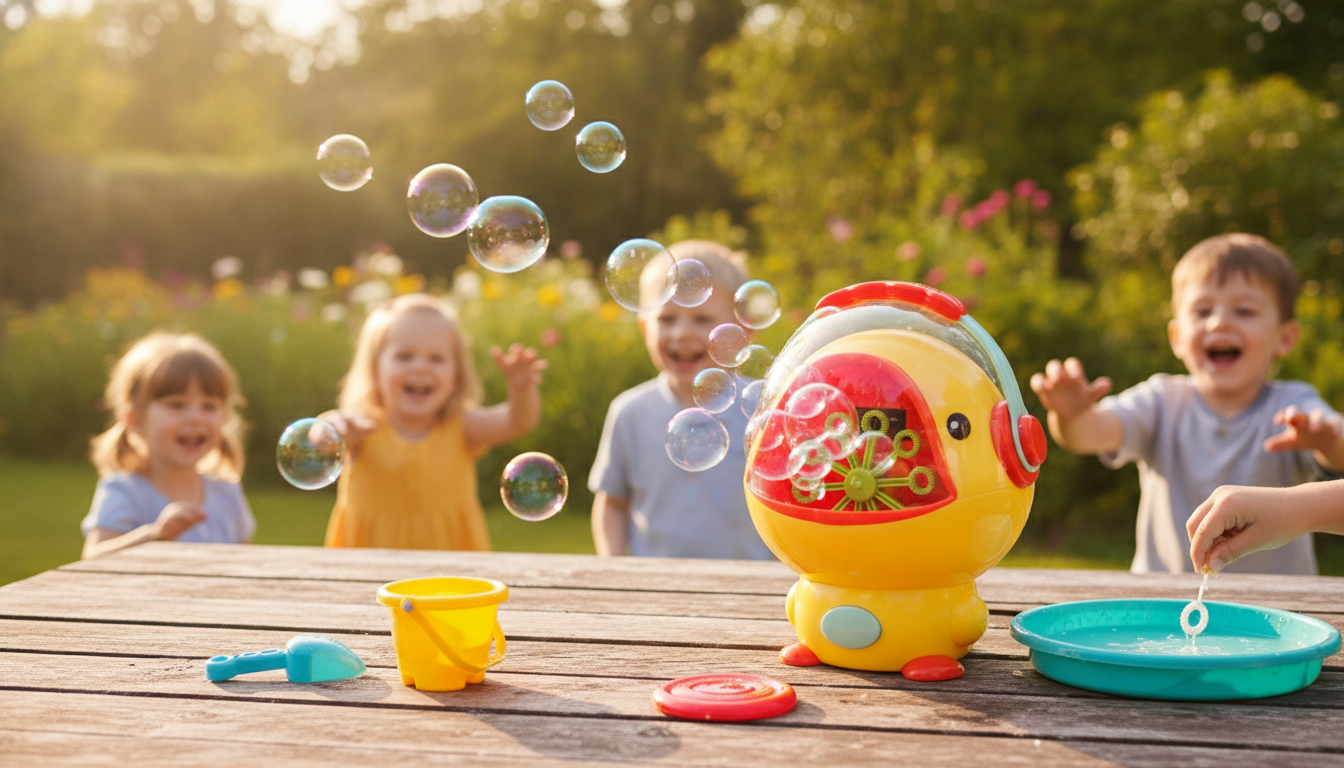
A pocket-friendly option that adds novelty without much mess is the Electric Ice Cream Cart Bubble Blower Toy, especially for outdoor breaks or quick resets before a restaurant.
Travel day flow: a simple timeline that reduces surprises
For family flight logistics and screening tips, the TSA guidance on traveling with children can help you feel more prepared before you reach the airport.
Tools and guides that make travel easier
If you want a ready-to-use framework for planning, packing, and travel-day routines, the Stress-Free Adventures with a Toddler and Newborn travel guide eBook keeps everything in one place.
For safety basics, review the CDC’s traveling with children recommendations, and if you’ll be driving, the American Academy of Pediatrics car seat guidance is a helpful refresher.
FAQ
When is the best time of day to travel with a toddler and newborn?
Plan departures around your toddler’s happiest window (often mornings) and time the newborn’s feed + change right before a long stretch in the car or boarding a flight. For road trips, leaving after an early breakfast can buy you a calm first hour; for flights, an early flight plus a pre-boarding diaper change often reduces mid-air stress.
How many outfits and diapers should be packed for travel day?
For a short travel day, aim for 2 baby outfits and 1 toddler outfit in your day bag, plus enough diapers for the hours away from your main stash (and add a few extra for delays). For longer days, pack at least one additional outfit per child and a spare adult shirt for whoever holds the baby during feeds and burps.
What’s the simplest way to keep a toddler calm during long waits?
Use previewing (“First line, then snack”), offer two easy choices, and rotate snack + small activity + movement breaks whenever possible. Save one novelty item for the toughest moments (boarding, long lines, or the final stretch) so it stays effective.







Leave a comment