Calm Scripts to Handle Sibling Rivalry at Home
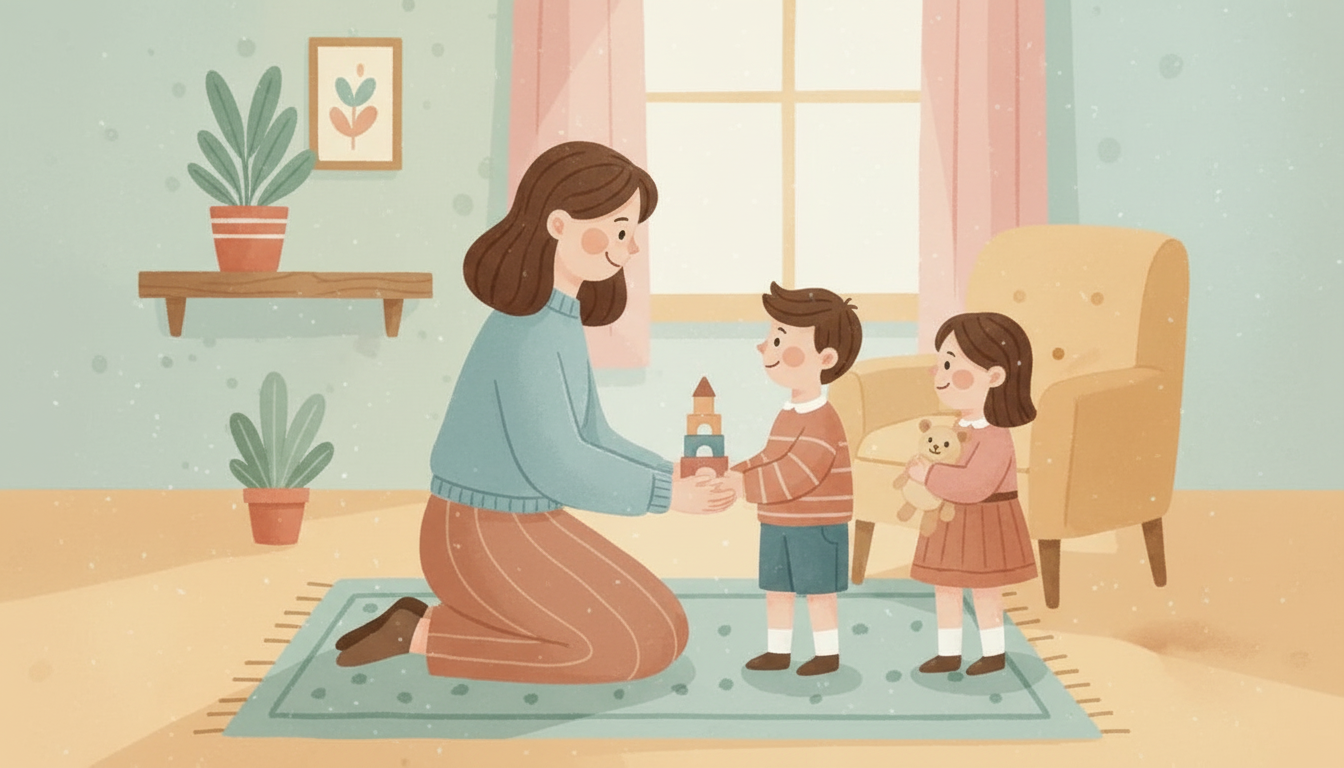
Calm Ways to Handle Sibling Rivalry: A Practical Parenting Plan for Better Communication
Sibling conflict is common, but the way adults respond can either fuel the cycle or teach skills that last. The goal isn’t to eliminate every argument—it’s to stay steady in the moment, understand what’s driving the fights, and use simple language tools to help kids repair, reconnect, and cooperate without turning the home into a constant courtroom.
What Sibling Rivalry Usually Looks Like (and What It’s Really About)
Most sibling fights aren’t “random.” They flare up during predictable pressure points: fatigue, transitions, and moments where kids feel they’re competing for limited resources.
- Common triggers: attention, fairness comparisons, boredom, transitions, hunger, overstimulation, and competition for space or belongings.
- Hidden needs underneath the behavior: wanting connection, needing autonomy, struggling with impulse control, or feeling unsure of place in the family.
- Why “who started it?” rarely helps: it pulls adults into verdicts instead of skill-building and problem-solving.
- A helpful lens: treat recurring fights as patterns to coach, not “bad attitudes” to punish.
If you want a research-backed baseline on what’s typical by age and what support can look like at home, HealthyChildren.org (American Academy of Pediatrics) and the CDC’s Essentials for Parenting are reliable starting points.
The Parent’s Calm Script: What to Say When Things Heat Up
When emotions spike, kids can’t problem-solve well—and neither can adults who feel pulled into a courtroom role. The fastest way to de-escalate is to lead with safety, then structure.
- Start with safety and tone: move close, lower your voice, slow your pace, and separate bodies before discussing words.
- A short script that works under stress: “I won’t let you hurt each other. I’ll help you both.”
- Name the problem without blaming: “Two kids want the same thing at the same time.”
- Set the boundary, then offer choices: “Hands stay to yourself. You can trade, take turns, or choose a different activity.”
- Avoid escalation traps: threats, sarcasm, public shaming, and long lectures during big feelings.
Quick Calm-Down Menu for Sibling Conflicts
| Situation | What to do in 30–60 seconds | What to say |
|---|---|---|
| Hitting / grabbing | Step between, separate, block hands gently | “I won’t let you hit. I’m moving you apart.” |
| Yelling / name-calling | Pause conversation, lower your voice, reset space | “We can talk when voices are calm. Try again with respectful words.” |
| Arguing over the same toy | Hold the item or set it aside, start a timer | “It’s hard to share. We’ll take turns—two minutes each.” |
| ‘That’s not fair!’ | Validate, then define fair as “needs + turn-taking” | “Fair doesn’t always mean equal. Let’s figure out a plan.” |
| One child melting down | Coach regulation first (breathing, water, quiet corner) | “Big feelings first, solutions second. I’m here.” |
Consistency matters more than perfection. Repeating the same boundary and choices teaches kids what to expect—and reduces the intensity over time.
Teach Repair: The 3-Step Conflict Resolution Routine for Kids
Once bodies are calm and everyone is safe, move to repair. Repair is where kids learn lifelong relationship skills: listening, naming needs, and making amends in a real way.
If you’re building these skills over weeks (not just in one moment), the American Psychological Association’s parenting resources offer helpful context on emotion regulation and development.
Prevent the Next Fight: Routines, Roles, and ‘Fair’ Rules That Reduce Friction
For families stuck in a boredom-to-fighting loop, adding a structured “reset activity” can help. A novelty toy used as a timed break (not a reward for aggression) can create separation and breathing room—some families like quick, low-mess options such as the Electric Ice Cream Cart Bubble Blower Toy during tense afternoons.
When One Child Is ‘Always the Aggressor’ (or ‘Always the Victim’)
A Ready-to-Use Digital Guide and Checklist for Calm, Consistent Responses
What’s Inside the Calm Ways to Handle Sibling Rivalry Guide
| Resource | How it helps at home |
|---|---|
| Parenting guide (digital) | Provides calm language, boundaries, and routines to respond consistently |
| eBook format | Easy to reference during stressful weeks or while traveling |
| Printable checklist | Tracks triggers, repair steps, and progress so adults can adjust calmly |
If you’d like a ready-made plan you can pull up quickly, Calm Ways to Handle Sibling Rivalry (Parenting Guide, eBook & Checklist) is designed for calm scripts, repeatable steps, and practical follow-through.
And if family stress is being amplified by feeding challenges with a younger baby, the Baby Bottle Refusal Rescue (Printable Feeding Checklist) can help you troubleshoot bottle refusal with a gentle, step-by-step approach—because fewer daily battles can make it easier to stay regulated during sibling conflict, too.
FAQ
Should siblings be forced to say sorry after a fight?
Encourage repair, but don’t force a performative apology in the heat of the moment. Prioritize safety and calming down first, then guide a simple repair step: acknowledge harm, make it right, and choose one plan for next time.
How can fighting be stopped without playing referee all day?
Use consistent scripts and routines: stop harm, name the problem neutrally, offer a small set of choices, and teach a repeatable conflict routine. Track common triggers so you can adjust transitions, schedules, and shared-space rules.
When is sibling conflict a sign of something more serious?
Seek help when there’s ongoing intimidation, repeated injuries, fear of a sibling, or conflict that keeps escalating despite consistent boundaries and coaching. Those patterns signal a need for professional support to restore safety and stability.








Leave a comment