Healthy Eating Checklist for Busy Parents (Printable Routine)
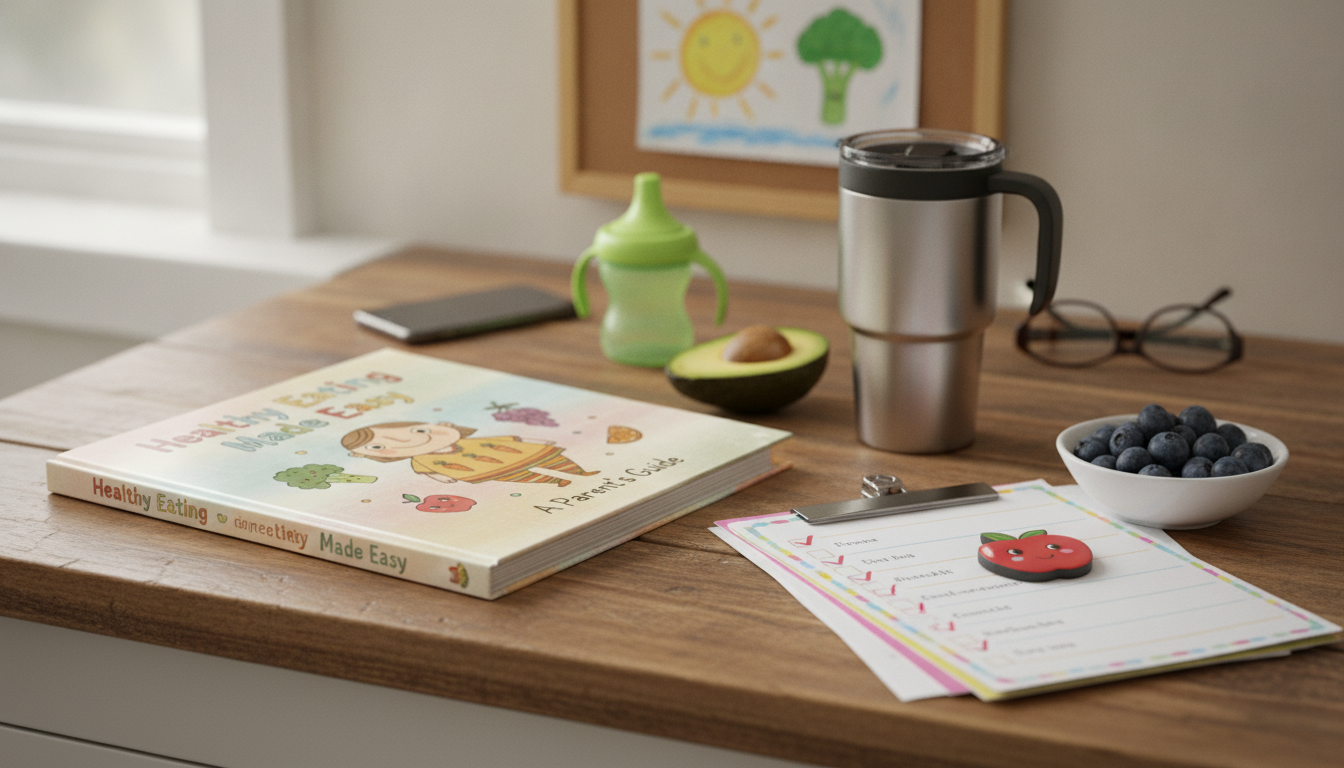
Healthy Eating Made Easy for Busy Parents: A Simple Checklist You Can Actually Stick With
Busy days rarely allow for perfect meals, but small, repeatable choices add up fast. A short daily checklist can make healthy eating feel automatic—without complicated tracking, special ingredients, or extra stress. Instead of aiming for “ideal,” build a routine of quick done/not done steps that fit real family life and bounce back easily when the day goes sideways.
If you want a ready-to-use version you can post on the fridge or save to your phone, the Healthy Eating Made Easy: Checklist (Printable Digital Download) keeps the routine short and realistic for school nights.
Start with a “minimum baseline” (the 5-minute plan)
The baseline is what you return to when schedules explode. It’s not a full meal plan—it’s a simple floor that keeps you from drifting into “nothing sounds good, so we’re snacking” mode.
- Pick 3 non-negotiables for most days: one produce item, one protein, and water.
- Create “default” breakfasts and lunches that require zero decision-making (rotate 2–4 options): yogurt + fruit + nuts; eggs + toast + spinach; hummus + pita + veggies.
- Do one weekly reset (20–30 minutes): wash fruit, chop 2 vegetables, cook 1 protein, and portion 2 grab-and-go snacks.
- Choose consistency over variety on weekdays; save new recipes for weekends or low-stress days.
- If a day goes off-track, return to baseline at the next meal—no “catch-up” rules required.
For a simple visual guide to balanced plates, MyPlate is a helpful reference: MyPlate (USDA) – Healthy Eating Guidelines.
The daily checklist: simple boxes to tick (morning to bedtime)
Think of this as guardrails, not goals. You’re setting up a few predictable “wins” that keep energy stable and reduce last-minute food decisions.
- Morning: add one produce item to breakfast (banana, berries, frozen fruit in oatmeal, spinach in eggs).
- Midday: include a protein anchor at lunch (beans, eggs, chicken, tofu, Greek yogurt, tuna).
- Afternoon: choose one planned snack before hunger spikes (cheese + apple, nuts + raisins, carrots + dip).
- Evening: build dinner around a “half-plate produce” target using fresh, frozen, or canned vegetables.
- Hydration: set two “water moments” (after waking and mid-afternoon) instead of tracking ounces.
- Balance treats by pairing: if a sweet shows up, add protein or fruit alongside rather than banning it.
| Time of day | Checklist box | Fastest way to do it |
|---|---|---|
| Morning | 1 fruit/veg at breakfast | Frozen berries in yogurt or oatmeal; spinach in eggs |
| Midday | Protein at lunch | Rotisserie chicken, canned beans, tuna pouch, tofu |
| Afternoon | Planned snack | Apple + peanut butter; cheese + crackers; hummus + veggies |
| Evening | Half-plate produce | Microwave steamer bag; sheet-pan frozen veg; salad kit |
| Anytime | 2 water moments | Refill bottle at breakfast and mid-afternoon |
Make healthy choices the default with a “fridge + pantry system”
When the environment does the heavy lifting, willpower becomes optional. A few small zones can reduce negotiation, grazing, and stress.
- Designate one “grab-and-go” shelf: pre-washed fruit, yogurt, cheese sticks, cut veggies, hard-boiled eggs.
- Keep a “fast protein” bin: tuna packets, canned beans, lentils, nut butter, shelf-stable milk, edamame.
- Stock frozen helpers: frozen vegetables, frozen fruit, pre-cooked grains, veggie-forward meals for backup nights.
- Use the “one new item” rule: add one healthy component instead of overhauling the whole meal.
- Label kid-friendly options at eye level so kids can choose independently (and you don’t become the snack gatekeeper).
For additional family-friendly guidance around heart-healthy patterns, the American Heart Association has practical tips: American Heart Association – Healthy Eating.
Meal shortcuts that still feel like real food
Shortcuts are not “cheating.” They’re how busy families keep meals happening consistently.
- Sheet-pan formula: protein + frozen veg + seasoning; bake while kids do homework or bath time.
- Assembly dinners for chaos nights: tortillas + beans + bagged slaw; rotisserie chicken + microwavable rice + veg.
- Upgrade convenience foods: add frozen spinach to pasta sauce; add beans to soup; add chopped veg to scrambled eggs.
- Prevent boredom with sauces and seasonings: salsa, pesto, yogurt-based dips, lemon + olive oil, spice blends.
- Build a 10-minute backup dinner list so takeout isn’t the only option when plans change.
Healthy eating with kids: less pressure, more repetition
With kids, the goal is a calm, repeatable structure that supports exposure to new foods without turning dinner into a battle.
If feeding challenges are part of your season—especially with infants—having a simple step-by-step plan can also reduce stress. The Baby Bottle Refusal Rescue: Printable Baby Feeding Checklist offers a gentle, practical routine to try when a baby refuses a bottle.
Printable and digital checklist routines that actually get used
For a ready-made, fridge-friendly version, use the Healthy Eating Made Easy: Checklist | Printable Digital Download to keep the routine visible and consistent.
FAQ
What should be on a healthy eating checklist for busy parents?
Keep it short: daily produce, a protein anchor at meals, one planned snack, two hydration moments, and a simple dinner structure like half-plate vegetables. Include flexible options (fresh/frozen/canned) so it still works on hectic days.
How can healthy eating be affordable with a family?
Build meals around budget staples like beans, eggs, frozen vegetables, oats, and peanut butter, then add sales-friendly proteins like rotisserie chicken or canned fish. Repeating a few “default” meals also reduces waste and last-minute spending.
Is a printable checklist better than using an app?
Printable works well when posted where choices happen (fridge/pantry) and reduces screen time. Digital is convenient on the go; many families use both by printing at home and keeping a phone copy for shopping days.






Leave a comment